Publications
The ESCXEL Project publications include studies, reports and other outputs produced as part of its activities. These publications reflect the research carried out within the project and its close connection with educational practice.
Driven by socio-economic change and rising parental educational attainment, the relationship between schools and their communities has evolved significantly. This study shows that, regardless of whether schools operate within an Integrated or Segmented model, active parental involvement and high family expectations emerge as the key factors underpinning students' educational success.
Drawing on the framework established by the 1986 Basic Law of the Education System, this study examines the transition from the traditional "Educator State" model towards greater decentralisation and school autonomy through the relationships established between 35 ESCXEL Network schools and their local communities. Combining documentary analysis of Educational Projects with questionnaires administered to teachers and school leaders, the research maps perceptions, practices and the strategic value of school–community partnerships.
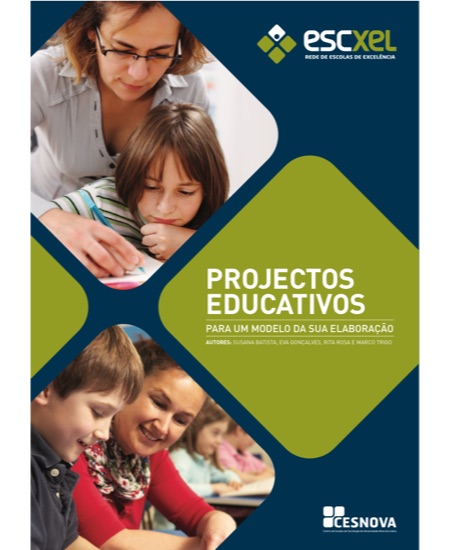
This ESCXEL Network report proposes a framework for the development of Educational Projects, positioning them within the broader context of strategic school management and clarifying their relationship with Curriculum Projects, Annual Activity Plans and Internal Regulations. Organised around five operational dimensions supported by summary tables and practical examples, the report aims to promote conceptual consistency and support school teams in planning and building a shared institutional identity, serving as a flexible guide rather than a prescriptive model.